 Horowhenua Star
This week is the 25th anniversary of International Fraud Awareness Week and with scams increasing people are urged to be vigilant – a bogus advert even sneaking into several newspapers around the country, including Horowhenua Star.
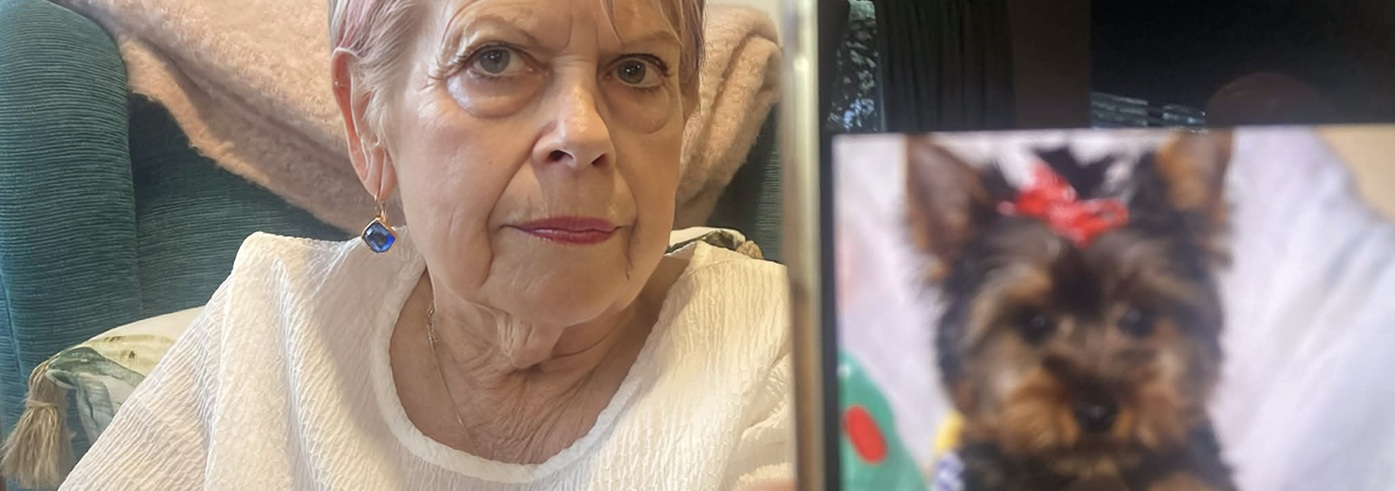
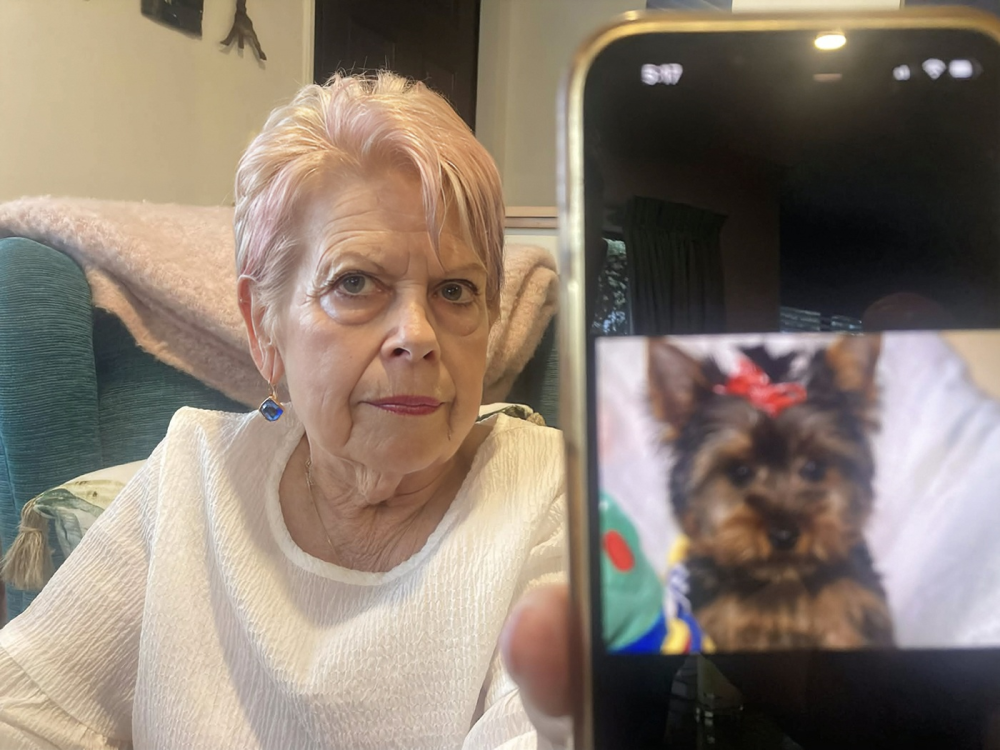
Local reader Liz Tomescu became concerned after her mother, Mary-Lou Cranshaw, began talking about a Yorkshire terrier puppy she was getting after seeing an advert last month for two “adorable” puppies that needed rehoming.
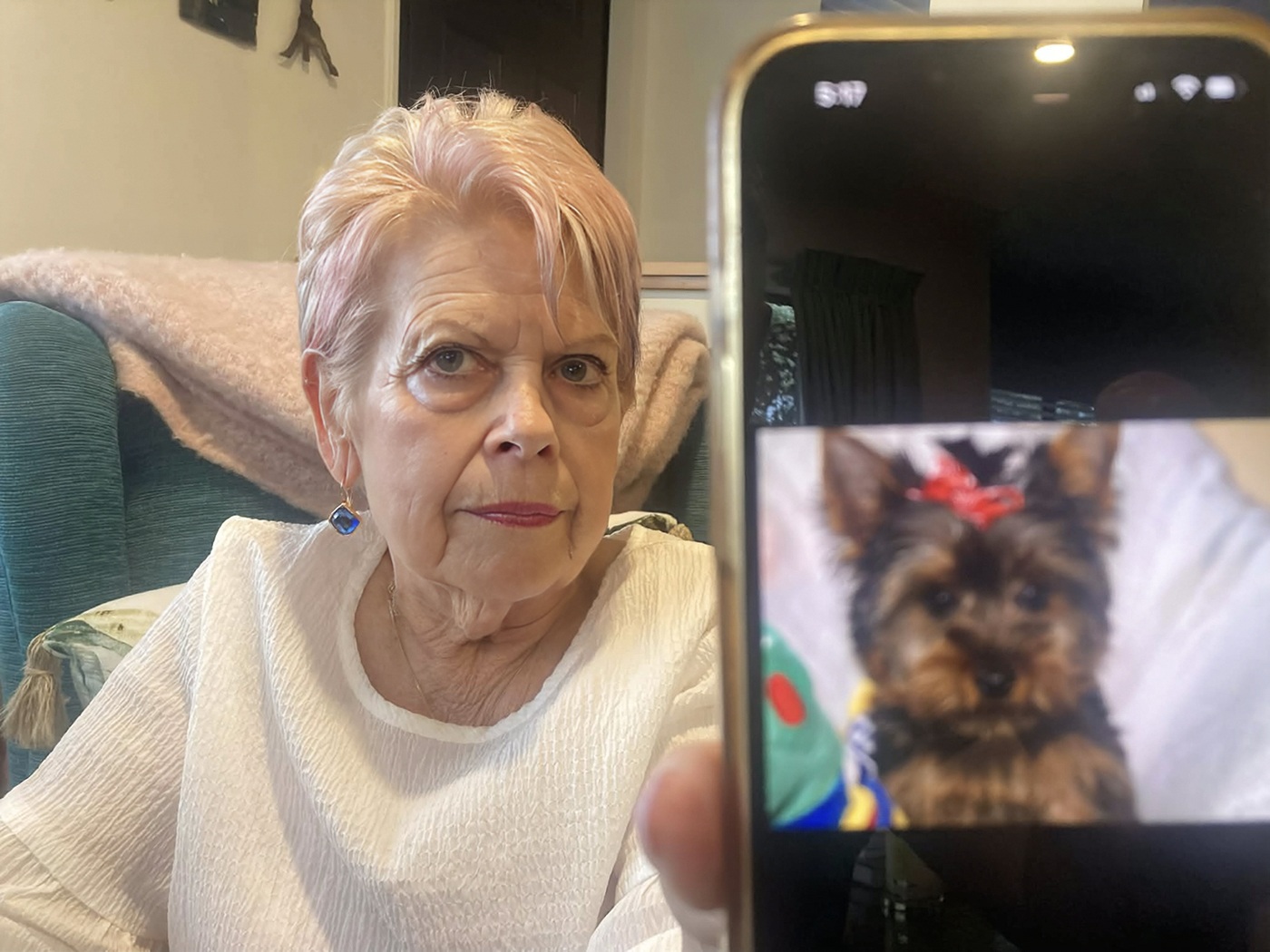
“Raised in a loving home, they are playful, friendly and great with kids, other pets.…” the ad said, without any mention of price. Liz says her mother was telling her about a puppy that needed rehoming – it was going to cost $200.
“She had emailed the address in the advertisement and was sent photographs of the couple that supposedly owned the puppies and a photo of the puppy wearing a tiara, which of course was adorable. In the email they said they lived in Levin, but there was no address.”
Mary-Lou says they wanted a $200 rehoming fee, but she told them she didn’t do PayWave.
“Then they came back with two really cute pictures. I am a sucker for puppies. I gave them my address and said I could drop some money around and would like to come and have a look. The line went dead.”
Liz looked at the photos and they seemed suspicious. On searching further she realised there were similar scams all over the world.
The scam has led the Community Newspapers Association to issue a warning after several papers published the advertisement.
Convincing scams involving fake apps, professional-looking websites, and persuasive communication have cost unsuspecting New Zealanders an estimated $2.7 million in just the first quarter of this year. Netsafe received 6601 reports of phishing – people trying to get personal details, non-existent product scams, sextortion (with sexual content), and harassment in the same period.
Elderly, in particular, are targeted by scammers. With 25 percent of Horowhenua’s residents aged 65 or older, local library Te Takeretanga o Kura-hau-pō is helping people understand what to watch out for.
“The average loss per person is $7500,” says Horowhenua Libraries services to older adults librarian Henry Gerber, who has teamed up with Leala Faleseuga, who looks after digital inclusion for the libraries. They have combined expertise to set up services to help those unfamiliar with technology to recognise scams.
“We have many queries coming in as the digital space is often still scary and an unknown territory for many,” Henry says.
Leala says scams are crimes.
”We encourage people to use trusted sources like Netsafe to double-check calls from unknown companies or people trying to sell something, and we advise to contact police when they feel threatened.”
Libraries run several courses in which people are told not to answer calls from unknown numbers, and they don’t have to be polite.
“If callers claim to be from the bank, hang up and phone your bank. If they ring at night, be suspicious and wait till morning. Slowing down is a good thing. Scammers will try to hurry you. Take the time to verify what they tell you.
“These days it’s getting harder to see through the scam as messages are accompanied by AI videos that look very real, such as a celebrity or even the prime minister recommending a product or investment scheme. Don’t fall for it. And never send your money overseas.”
Romance and investment scams are rife and scammers can be convincing by using personal information already gathered online.
“Your information, such as address, date and place of birth are your personal property – even names of your kids and grandkids – and are as valuable as your money,” Leala says. “Once scammers have enough info, which they get from social media, they can impersonate you, getting a driver’s licence or a passport in your name. That will allow them to do so much more, like opening bank accounts, buying things online and leaving you with the debt.”
Information can also be sold on to others.
Staying safe online is one course at either Levin or Foxton library – contact leala@horowhenua.govt.nz Many digital problems can be also discussed with a digi-coach at the library – phone 06 368 1953 for information.
OTHER STORIES
... loading ...