 Horowhenua Star
A binding referendum being held the same time as the October election will decide whether Horowhenua District Council continues to have Māori Wards. Horowhenua Star editor PAUL WILLIAMS asked former councillor Piri-Hira Tukapua for her view.
There’s a room inside Horowhenua District Council lined with photos of former mayors of the district that spans more than 100 years. There’s only one Māori among them, and no women.
Piri-Hira Tukapua is Māori, and a woman, two characteristic that made her somewhat of a unicorn when she was first elected to council in 2013.
It wasn’t by accident. After being encouraged to stand, she wrote on a piece of paper her strengths and weaknesses and went to work on the latter.
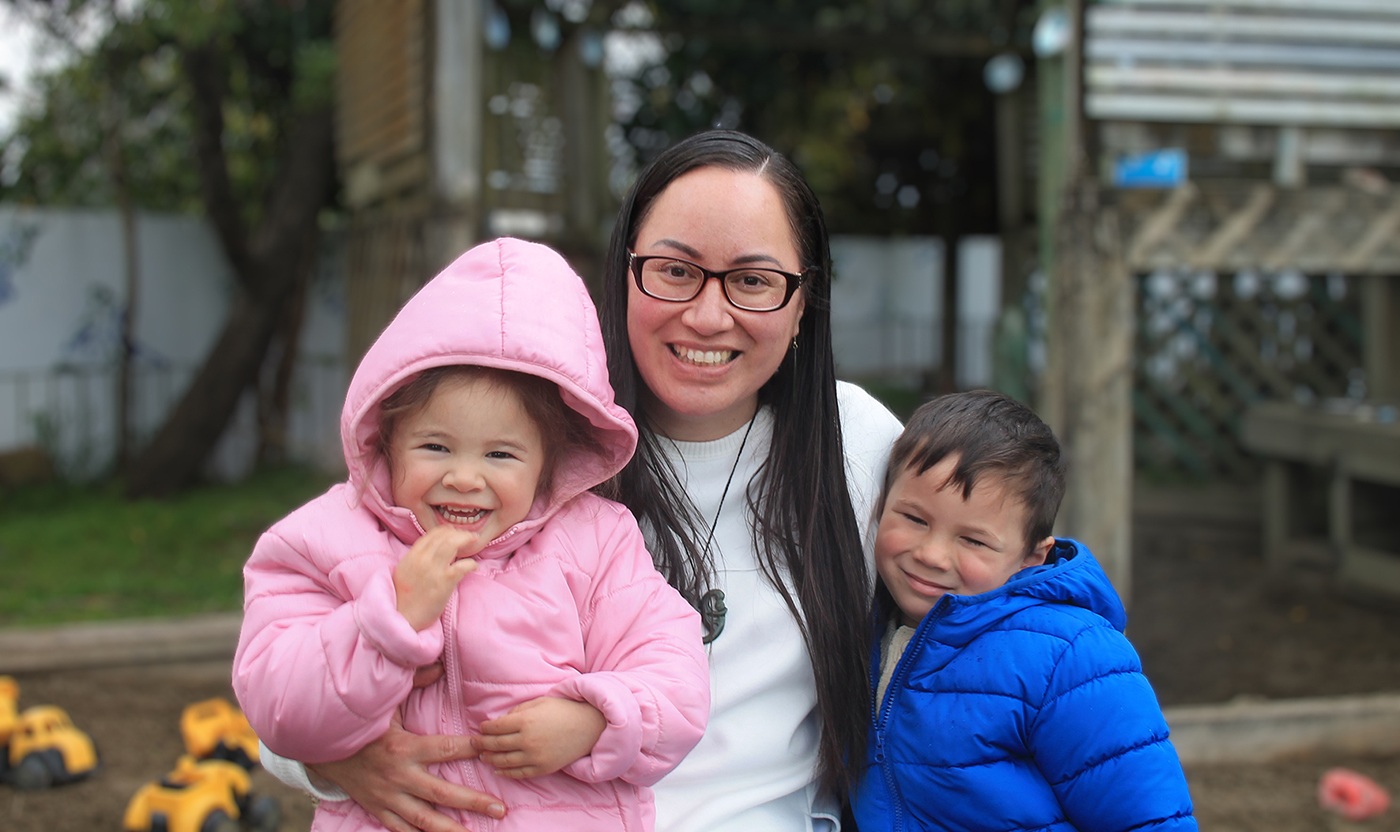
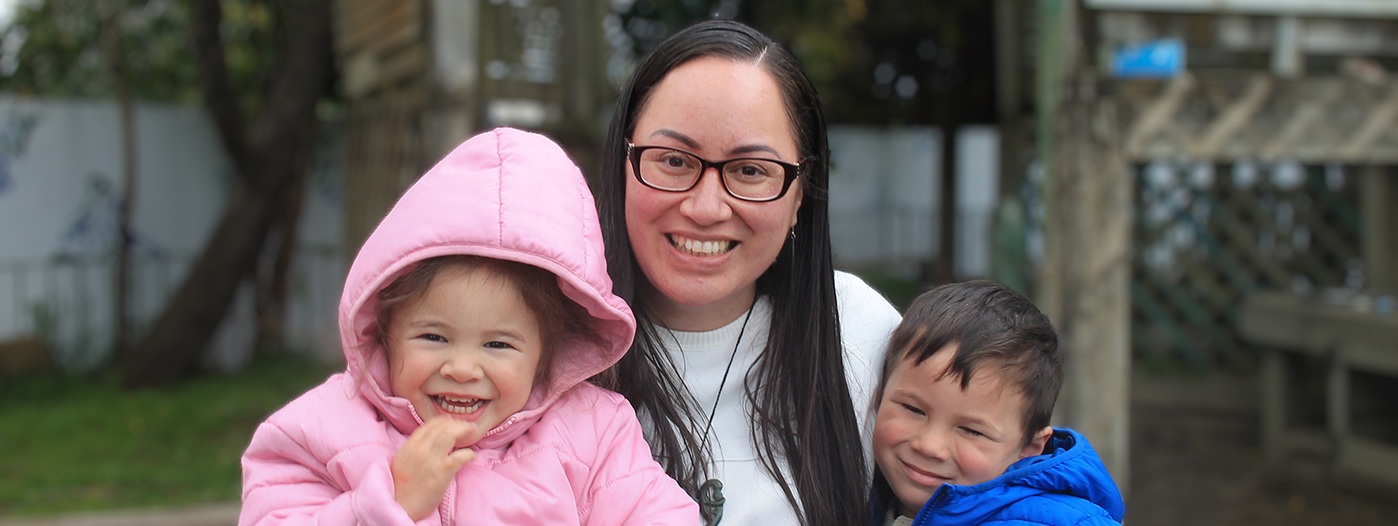
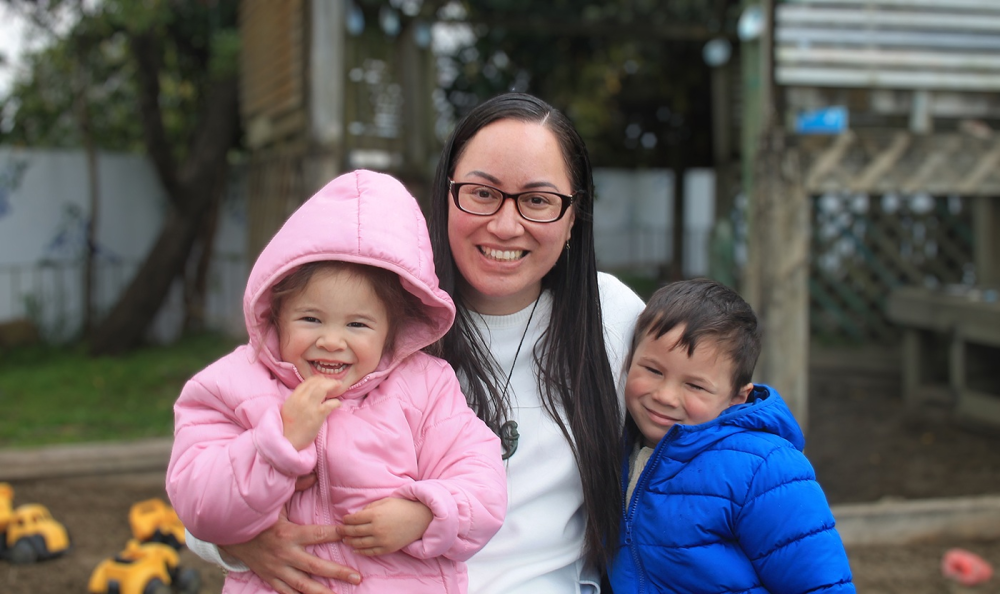
Piri-Hira Tukapua, with Cyrus Tukapua Faleseuga and Anaiah Tukapua Faleseuga. Photo Paul Williams
She knocked on doors and was welcomed into homes. She sat and had conversations. She even ran for the mayoralty, to get her name out there.
“Being Māori – with a name like Piri-Hira Tukapua – I had to be strategic . . . I knew who would vote for me or not, and how I needed to spend my energy,” she says.
Having spent 11 years serving the community on council, and now a year away from it, Piri-Hira has a unique perspective on representation at local government level, and her view is important given an upcoming referendum – part of the local elections in October – will decide whether or not Māori wards are retained.
Not all councils have Māori seats. HDC is one of 49 of the 78 councils that does. The majority that do are in the North Island.
In 2021 HDC voted unanimously to have a Māori ward following a representation review, and with the option of having one or two Māori ward councillors, voted for two seats.
This time last year Horowhenua District Council voted to retain its Māori wards, after the government passed the Local Government Amendment Act 2024, which “restored the right of local referendum on the establishment or ongoing use of Māori wards”.
The law change meant councils that had established Māori wards after the 2021 law change abolishing binding referendums on Māori wards – like Horowhenua – had to decide whether to drop their Māori wards or hold a binding poll alongside the local body election, hence the upcoming referendum.
Piri-Hira says Māori representation in local government is not to be feared. It had to be viewed in context, and beyond the race-based policy debate. She says it’s about recognising Māori as tangata whenua and honouring the Treaty, a covenant between two parties at local governance level.
“I get that some will say you’re only there because you’re Māori,” she says. “But the perspective that Māori bring is unique and valuable. Surely I’ve demonstrated that during the four terms I was elected.
“Some people don’t want us to succeed or don’t appreciate what we can contribute, but we can prove them wrong and smash those perceptions.”
She says recognising tangata whenua in Aotearoa matters and leads to better outcomes for all.
“Kōrero tuku iho is knowledge and experience of old that helps guide Māori thinking, and a kaupapa Māori approach to environmental matters, for example, would develop more sustainable ways of operating and cause the least harm, rather than instant gratification and individual gain.”
Piri-Hira says she was elected to represent the Levin ward and the entire community, but at the same time could offer a Te Ao Māori perspective to council decision making.
She has seen the value of having designated Māori seats at the council representing Māori, and hopes it will continue.
OTHER STORIES
... loading ...