

 Horowhenua Star
Work will begin in spring on the Ōtaki-Levin (Ō2NL) expressway after NZTA backtracked last week on scaled-down plans.
“We expect main construction work to begin some time in spring, with early enabling works, such as fencing, building demolition and building haul roads and access tracks expected to begin within the next month,” an NZTA spokesperson told the Star.
The transport agency said late last week that most of the original plans were back on – only the road running past Levin will remain two lanes, rather than four as originally planned.
Local campaigners, residents, the council, and MPs protesting the changes believe their voices have been heard.
Ōtaki MP Tim Costley says he’s delighted.
“Ever since I first found out from NZTA that there might be design changes to Ō2NL I haven’t let up; I’ve been fighting hard to save the design of our road.
“I’ve been very clear from the outset that I was fighting to save three specific changes: the Tararua Road interchange, the Taylors Road interchange, and the Manakau Heights Drive over-bridge.
“I’m pleased to see that NZTA has announced that these will now all be included in the final design.
“This decision shows the value in have strong local advocacy, and strong representatives fighting our local cause in Wellington and across the region.”
He thanked the community for their support.
The expressway will be four lanes up to where SH57 splits off. Then it’s two lanes north all the way to Cambridge.
Tim says it makes sense to go to two lanes once SH57 splits.
“Otherwise we’d have to give up other changes to keep it to budget (we could have afforded it all in 2018). But it also leaves the door open for where it goes next. [It] could be up current SH1 or could be up towards Palmy or Bainesse more.”
The NZTA Board last week gave the green light for construction, confirming additional funding to ensure the project would go ahead. It dropped most of the proposed changes that were announced on May 18.
Elements of the project to be reinstated include:
• the new highway connection with Tararua Road will be a grade-separated interchange
• the southern connection, near Taylors Road, will include a southbound onramp, allowing vehicles travelling south on the current SH1 to join the expressway north of Ōtaki
• an bridge over the expressway at Manakau Heights.
The decision drew many comments.
Transport Minister Chris Bishop:
“Ōtaki to Levin is a critical project for the government and reflects our strong focus on infrastructure investment to drive economic growth.” (LinkedIn, June 21.)
Build the Road campaigner Anthony Young:
“The proposed changes to the plan were nonsensical and never made sense. We could all see that and thankfully common sense prevailed.
“We can now look forward to the expressway moving ahead and the needs of the community, businesses and traffic, being served by a road that is fit for purpose and productivity. This is a win for the district.”
Horowhenua Mayor Bernie Wanden:
“This is a significant and very welcome moment for Horowhenua. It’s not just a good outcome, it’s the right outcome.
“It reflects the strength of our community’s collective voice and the effectiveness of council’s long-standing advocacy to ensure this project lives up to its original promises of safety, efficiency and regional connection.
“These features were not optional. They were essential to community safety, connectivity, and trust. The reinstatement of the Manakau bridge in particular is a win for every person who stood up and said: our safety matters, our voice matters. And I want to say, you were heard.
“Council has been at the table since this project was first conceived in 2012, through governments, delays, and shifting budgets. At every step, we’ve advocated constructively for an expressway that reflects the needs and realities of our district.
“I’m proud of our role, and I’m even prouder of the people of Horowhenua who never gave up on this project, or on each other.”

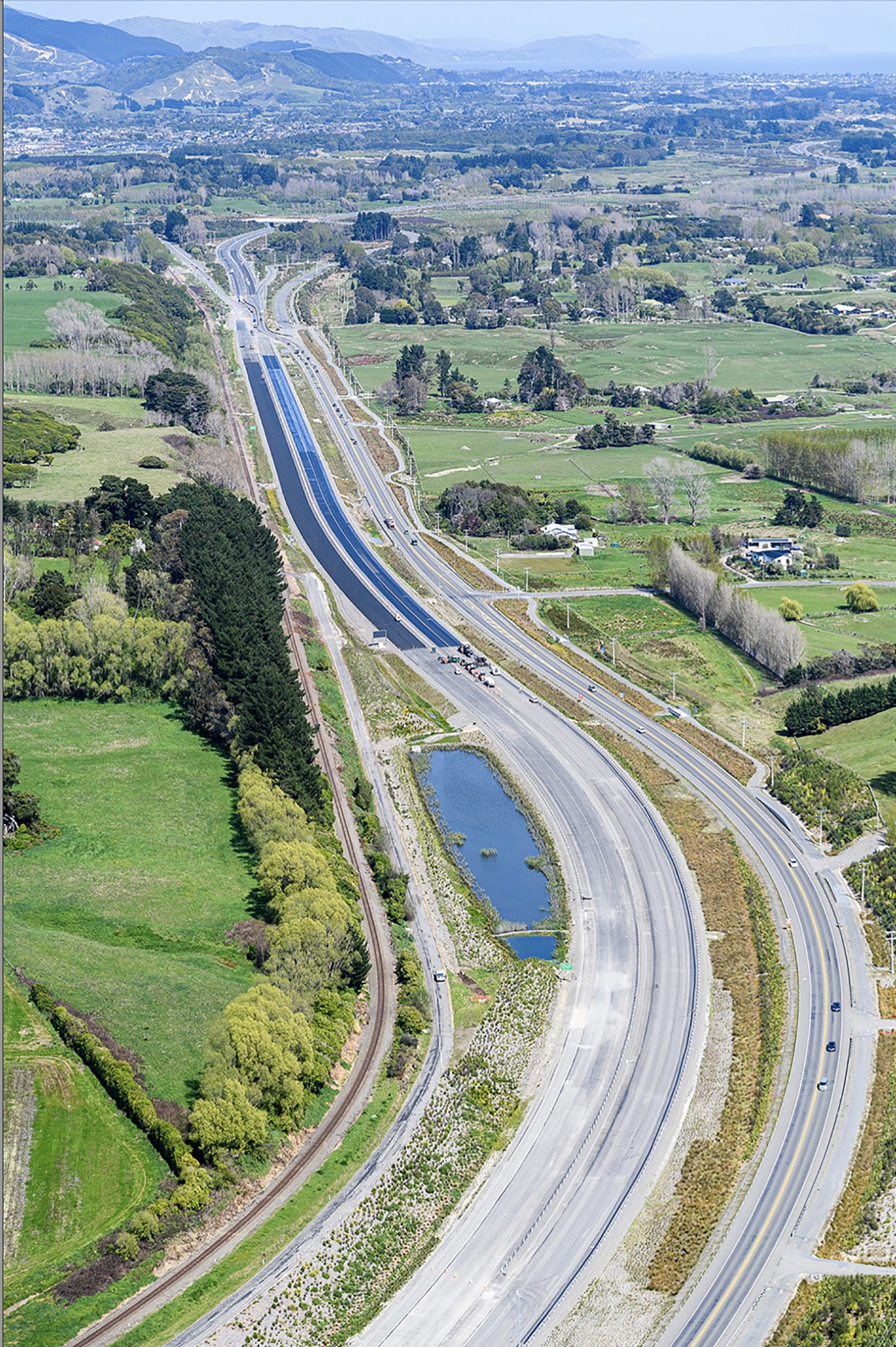
The final stages of construction for the Kāpiti expressway, in 2022. Horowhenua will have a similar highway, with construction starting in spring. Photo Mark Coote